
Stories
NEWS FROM TRICKLE UPMedia Type
Population
Topic
Region
Country
Oct 13, 2026
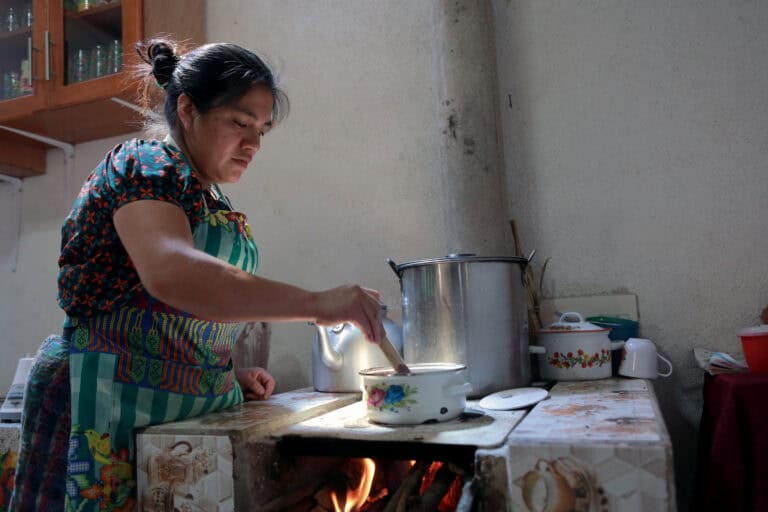
In Guatemala, Trickle Up has spent more than 15 years supporting people who face the greatest barriers to building sustainable livelihoods, with a particular focus on rural and Ind ...
Oct 6, 2026
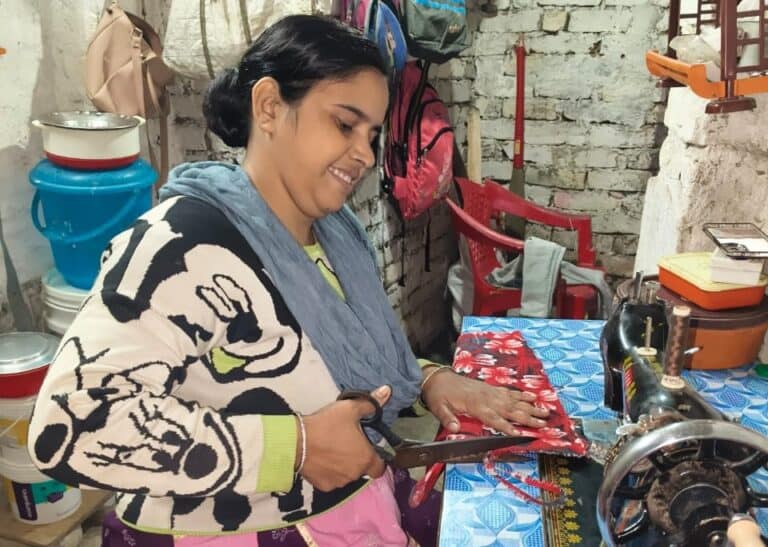
Fleeing domestic abuse, Shahnaz left her home and moved to Kolkata with her two sons. As she searched for work, she faced repeated barriers: Daily wage opportunities were irregular ...
Sep 29, 2026
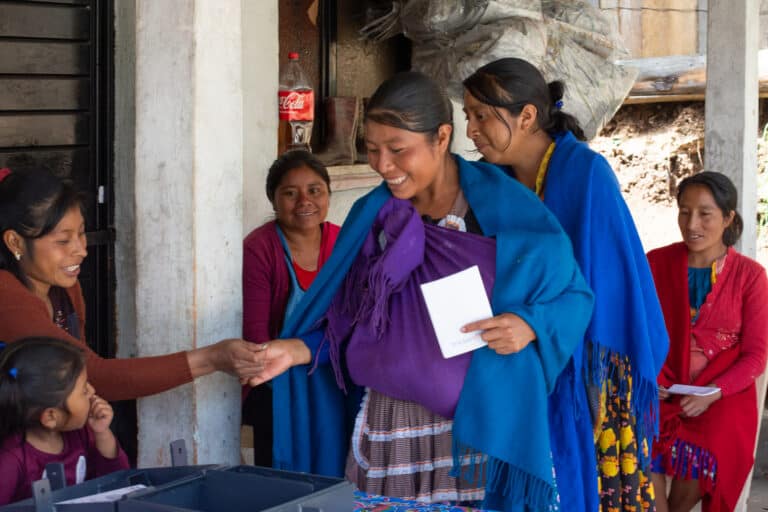
It’s one thing to talk about partnering with governments or civil society organizations in economic inclusion, but it’s another to understand what it is that makes those relati ...
Sep 28, 2026
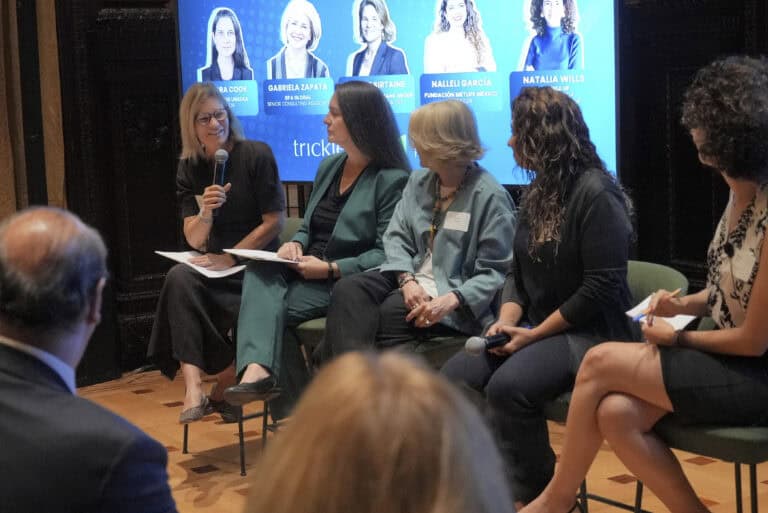
What does financial health mean in a world where families are navigating rising living costs, climate shocks, economic volatility, and increasingly uncertain futures?
Sep 22, 2026
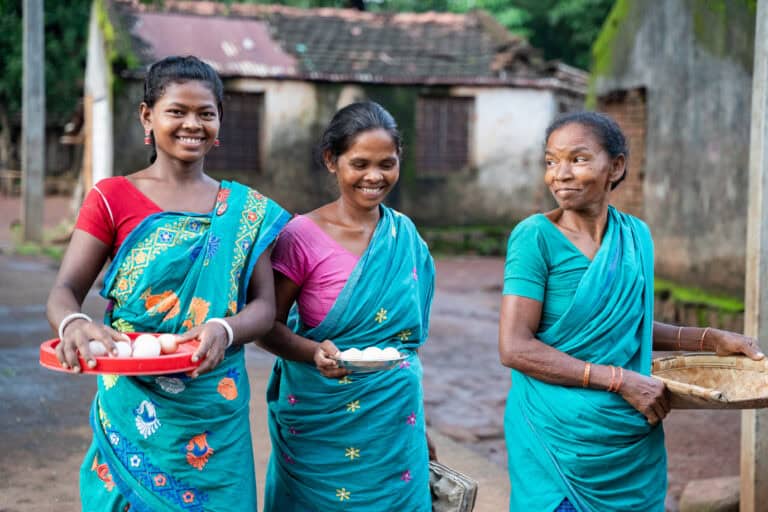
When women start small businesses, the most visible outcomes are often financial. But what about the infrastructure that makes these outcomes possible?

Sep 15, 2026
In Kolkata, India, Maya Rajbhar’s days once began early and ended late, shaped by the constant pressure of earning enough to keep her household running.

Sep 8, 2026
When community coach Fulmani Malto visits a Trickle Up program participant’s household, the conversation rarely begins with the topic of income.

Sep 1, 2026
When community coaches first met Gasi Malto in Bandu village, their conversations were not only about livelihoods or savings. Before Gasi and her family could access government sch ...

Aug 25, 2026
What began as a simple change in feeding and management practices has become an important step toward a stronger and more sustainable livelihood.

Aug 18, 2026
When people think about economic inclusion, they often think about livelihoods like goats, poultry units, savings groups, training programs, market access, or income generation. Th ...

Aug 11, 2026
Digital technologies have become an increasingly important part of economic inclusion programs because they can connect women to financial services, markets, and information that w ...

Aug 7, 2026
Trickle Up, with the support of local partners Kip Tik and El Buen Socio, has launched an 18-month project to strengthen the economic resilience of 120 Indigenous women entrepreneu ...